The Hoffman Process is a life-changing, week-long residential course designed for deep personal growth and transformation. Developed and refined over 60 years, it has helped thousands of people break free from limiting patterns and step into a more fulfilling life.
Many therapists and coaches recommend the Process as a powerful complement to their work with clients.
Our thoughts, behaviours, and emotional patterns are shaped by early experiences. The Hoffman Process helps participants identify and release negative conditioning from childhood that may still be holding them back.
Using a unique blend of proven techniques—including self-inquiry, guided visualisation, journalling, and expressive exercises— participants will reconnect with their authentic self, rebuild confidence, and cultivate lasting self-esteem.
The course takes place in a nurturing environment, guided by highly-skilled facilitators who support at every step of the way. While the journey is deeply personal, the group setting adds an invaluable layer of connection, encouragement, and shared transformation.
The Hoffman Process creates lasting change, helping participants break free from unhelpful patterns and experience greater emotional freedom.
Many report a significant reduction in stress, anger, anxiety, and depression, along with a deeper capacity for joy, love, and connection.
The Hoffman Process can also be incredibly beneficial for partners or family members of those in therapy, although they cannot attend the same course week together.
What clients can gain from the Hoffman Process
The Hoffman Process creates lasting change, helping participants break free from unhelpful patterns and experience greater emotional freedom.
Many report a significant reduction in stress, anger, anxiety, and depression, along with a deeper capacity for joy, love, and connection.
Participants report that the Process helps them to:
The Hoffman Process can also be incredibly beneficial for partners or family members of those in therapy, although they cannot attend the same course week together.
How can the Hoffman Process support therapy or coaching?
Many therapists and coaches find that the Hoffman Process accelerates their clients’ progress. Participants often return from the Process with:
• Greater self-awareness and a deeper understanding of their emotional patterns
• Increased openness to exploring their inner conflicts and relationships
• Reduced defensiveness and resistance in therapy
• A heightened capacity for personal growth, confidence, and emotional resilience
Who is the Process best suited for?
The Hoffman Process is ideal for individuals who are:
The Process is most effective when the participant is personally motivated. It is not recommended for individuals attending solely because someone else believes they should.
Some individuals may require additional evaluation before enrolling. This doesn’t necessarily mean they can’t participate, but careful assessment is needed to ensure the Process will be beneficial.
Additional evaluation is required for clients with a history of:
We have seen many individuals with these histories benefit from the Hoffman Process, but success depends on thorough evaluation, realistic expectations, and strong support before and after participation.
Timing: When is the right moment to recommend the Process?
Life transitions often motivate people to seek change, but not everyone in crisis is ready for the intensity of the Process. It requires sustained emotional focus and energy.
Consider whether your client has a stable support system in place for their return. If you’re unsure about their readiness, we are happy to consult with you to consider specifics around timing.
• Antipsychotics & Mood Stabilisers: We will assess with your client whether the Process is appropriate.
• Anticonvulsants: Must be taken as prescribed throughout the Process.
• Antidepressants: Should be continued as prescribed.
• Anxiolytics & Hypnotics: We will discuss with your client how these may impact their experience and whether the Process is appropriate.
How to recommend the Hoffman Process
Our team is available to guide your client through the decision-making process.
You can:
• Share our materials with your client and encourage them to contact us when ready
• Invite them to attend an Introduction to Hoffman webinar
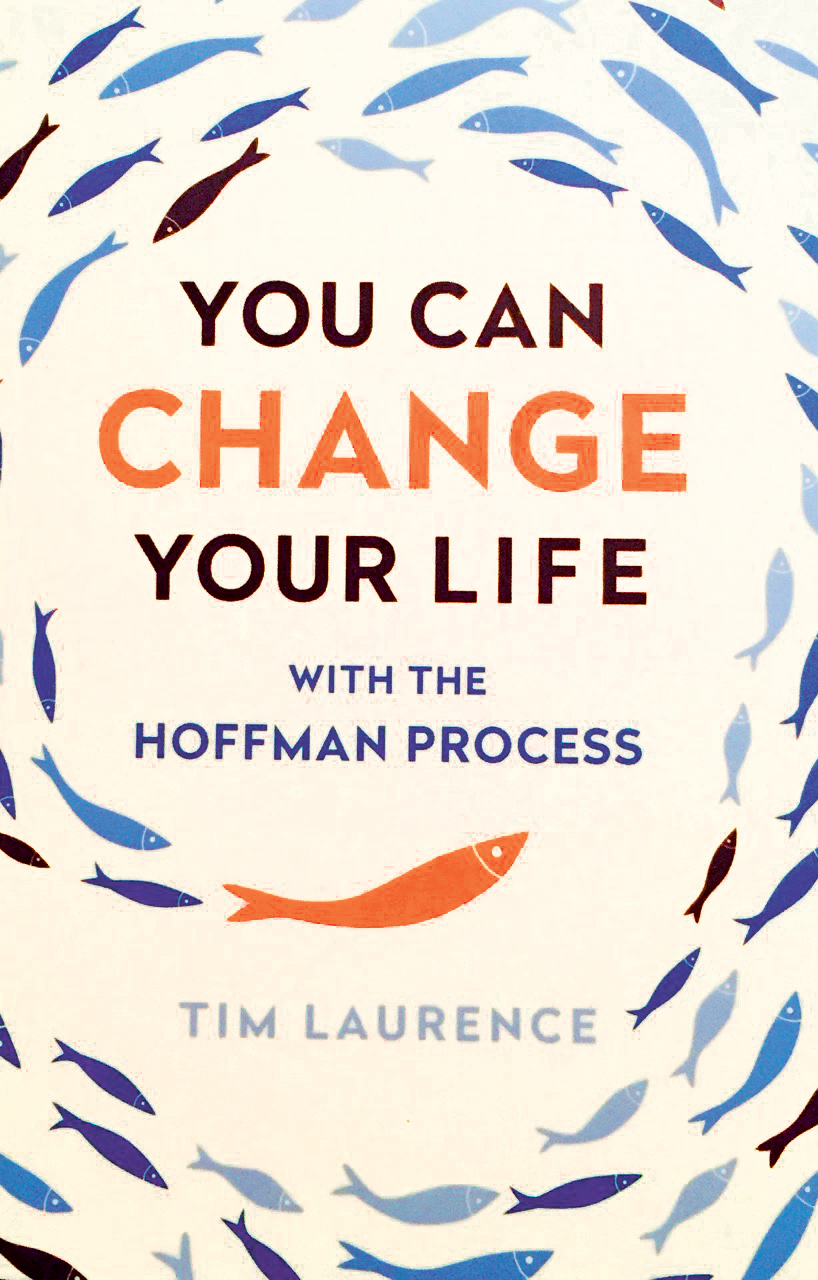
• Suggest they explore our website or read You Can Change Your Life by Tim Laurence
We believe in personal readiness and do not pressure individuals to enroll. When your client feels it’s the right time, we’ll be happy to discuss the Process with them.
Hoffman participation: What happens after enrolment?
Once your client has enrolled in the Hoffman Process, our team is available via phone and email to answer any questions or concerns that may arise before they begin their journey.
Before attending, your client will complete a set of pre-course exercises designed to deepen their self-reflection and readiness for the Process. Depending on your work together, it may be helpful to discuss this preparation with them. Exploring how their presenting issues relate to Hoffman’s Negative Love Syndrome can be a supportive step in their process.
However, we generally advise against directly assisting your client in filling out their pre-course work. This step serves as an important indicator of their readiness and ensures they are taking ownership of their personal journey.
A core intention of the Hoffman Process is to help participants develop greater self-confidence by breaking free from negative patterns learned in childhood. As they reconnect with their authentic self, they often experience:
To fully absorb and integrate their experience, we recommend that participants take the weekend following the Process as a retreat—away from home life, work, and social obligations. Many find this to be a valuable time for reflection, helping them process their insights and transition smoothly back into daily life.
Post-Process follow-up - continuing therapy / coaching
Many participants return from the Hoffman Process with a renewed sense of clarity, confidence, and self-awareness. If you are a therapist or coach—and especially if you are a Hoffman graduate yourself—your client may be eager to bring their newfound insights into their ongoing sessions with you.
Often, pre-Process goals have been met, and post-Process support becomes an opportunity to set new goals, focusing on how to integrate lasting personal change into daily life and relationships.
The Hoffman Process is designed to complement therapy and coaching, not replace it. Your role remains the primary healing relationship for your client, and we encourage them to continue working with you after their Process experience.
Additionally, many clients develop a stronger commitment to personal healing and may see their therapist or coach as an essential part of their support network—often leading to referrals from their friends, family members, and fellow Hoffman graduates. This can organically expand your practice and deepen your involvement in a wider healing community.
Bringing the Hoffman model into your own practice
Your personal therapeutic or coaching style is what your client is familiar with, and there’s no need to change that. However, their experience with the Hoffman Process may introduce new insights and tools that can enhance your existing work together.
In the sessions immediately following the Process, most clients simply want to share their experience and feel heard. You might consider asking reflective questions to help them integrate their learning into therapy:
By exploring these questions, you can help your client process their experience while reinforcing their ability to apply what they’ve learned in a meaningful way.
Common post-Process challenges
While the Hoffman Process provides powerful breakthroughs, integrating those changes into everyday life isn’t always seamless.
Some clients may experience challenges such as:
We recommend encouraging clients to avoid making major life decisions within the first 2-3 months post-Process (e.g. leaving a job, ending a relationship, or moving). This allows them to fully experience the impact of their inner transformation before making external changes.
Post-Process support & community
To help graduates maintain momentum, the Hoffman Institute offers a range of post-Process support options:
If you have any questions or feedback, please email info@hoffmaninstitute.co.uk. If your email contains feedback, we will ensure it reaches the Hoffman Institute Directors.
• We offer a complimentary copy of Tim Laurence’s book You Can Change Your Life – you can order that here.
• You’re also welcome to join one of our free Introduction to Hoffman sessions via Zoom – upcoming dates are here